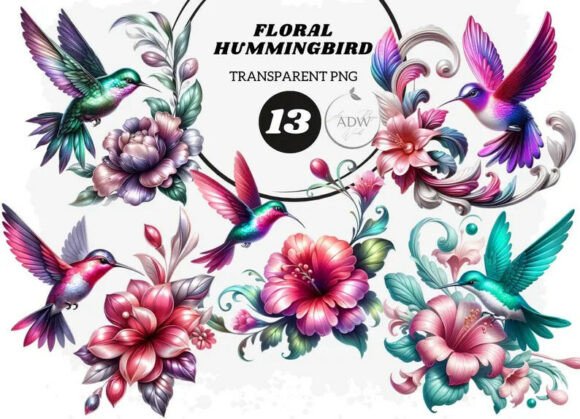
Hummingbird: A Watercolor Typeface for Whimsical Designs
There is an immediate sense of joy when you open a design asset that feels alive. Hummingbird captures that specific, fleeting moment of a bird hovering over a flower—graceful, light, and full of motion. This isn’t just a static typeface; it is a visual experience. As a premium font, it steps away from the rigid geometry of modern sans-serifs and embraces a soft, artistic aesthetic. The defining feature of Hummingbird is its distinct watercolor texture. The strokes mimic the flow of a brush loaded with pigment, creating edges that are slightly uneven and rich with organic character. It is a display font that prioritizes emotion and atmosphere over strict legibility, making it a powerful tool for brand identity work that needs to feel approachable and human.
For graphic designers and content creators, the font offers a specific personality that is difficult to replicate with standard typefaces. It does not feel manufactured; it feels handcrafted. The visual weight is balanced perfectly—bold enough to catch the eye, yet delicate enough to maintain elegance. This makes Hummingbird an ideal candidate for projects where the typography acts as the primary illustration. When you use this typeface, you are importing a piece of botanical artwork directly into your layout. The "personality" of the font is whimsical, peaceful, and nature-oriented. It avoids the aggressive sales tone of corporate fonts, opting instead for a whisper that draws the viewer in closer.
Practical Applications for Modern Creatives
Understanding where Hummingbird works best is key to maximizing its potential. Because it is a script font with artistic flair, it excels in environments where emotional connection outweighs the need for dense information. Logo design is a primary use case. For boutique brands, florists, eco-friendly product lines, or yoga studios, this typeface provides an instant visual shorthand for "natural" and "premium." It establishes a brand identity that feels curated and thoughtful without requiring extensive illustration work.
Beyond logos, the font is incredibly versatile in the realm of packaging design. Imagine a label for artisanal honey, organic soap, or specialty tea. Hummingbird brings that garden aesthetic to the shelf, helping small business owners compete with larger brands by offering a more personal, handmade feel. It is also a powerhouse for printable creations. If you are a crafter using a Cricut machine, this font translates beautifully to physical goods. It is perfect for greeting cards, wedding invitations, and nursery decor. The soft curves and floral undertones make it a favorite for sublimation projects on mugs, tote bags, and t-shirts.
In the digital space, Hummingbird serves as a striking hero element for social media graphics. It creates high-impact headers for Pinterest pins or Instagram stories where you need to stop the scroll. While it is too detailed for body text, it shines in short bursts on web design elements, such as hero banners or promotional pop-ups for seasonal sales. For editorial design, particularly in magazines or blogs focusing on lifestyle, travel, or gardening, it can be used to create elegant drop caps or pull quotes that break up the monotony of standard serif or sans-serif columns.
The Strategic Value of Artistic Typography
Choosing a font like Hummingbird goes beyond aesthetics; it is a strategic decision that influences how your audience perceives your message. Typography plays a massive role in brand perception. By utilizing a handwritten font with watercolor qualities, you signal authenticity and creativity. In a market saturated with sterile, geometric sans serif fonts, Hummingbird offers a breath of fresh air. It helps with visual hierarchy by creating a distinct separation between your main message (the header) and the supporting information (the body). This contrast ensures that even if the font is highly stylized, the overall layout remains organized and professional.
However, working with a creative font of this caliber requires a thoughtful approach to readability. Because Hummingbird is designed for display purposes, it should be reserved for headlines, titles, and short phrases. Using it for long paragraphs would strain the reader's eye. The strength of the font lies in its recognition factor. When used consistently across marketing materials, it becomes a recognizable asset for your brand identity, fostering trust and loyalty among your audience.
Guidance for Selection and Implementation
Before integrating Hummingbird into your workflow, take a moment to evaluate the project fit. This font pairs exceptionally well with clean, neutral typefaces. A classic serif font or a minimal sans serif font makes an excellent companion for body text, allowing the artistic nature of Hummingbird to shine without overwhelming the design. This technique, known as font pairing, is essential for maintaining professionalism.
When testing the font, pay attention to the spacing. Artistic scripts often require manual kerning adjustments to ensure the letters flow naturally into one another, mimicking actual handwriting. Check the included styles; many premium versions of Hummingbird come with alternates, ligatures, or swashes that add extra flair to specific letters, helping you avoid repetitive loops in longer words. Finally, always verify the commercial font licensing. Ensure that the license covers your intended use, whether that is for physical goods sold on Etsy, digital downloads, or large-scale commercial advertising. By treating Hummingbird not just as a file, but as a strategic design asset, you can elevate your projects from simple layouts to memorable visual narratives.